
VIP Squeaks Out Win in Jack Daniel’s v. Bad Spaniel Trademark Dogfight
On August 4, 2026, the Court of Appeals for the Ninth Circuit handed down the latest in a series of rulings in a case about an iconic whiskey and whimsical dog toy that’s come to resemble a shaggy dog story. Spoiler alert. For now, the toymaker has emerged as “top dog.” Here’s what you need to know.
It started over a decade ago when VIP, maker of the “Silly Squeaker” line of chew toys for dogs, launched “Bad Spaniels” with a familiar looking label:
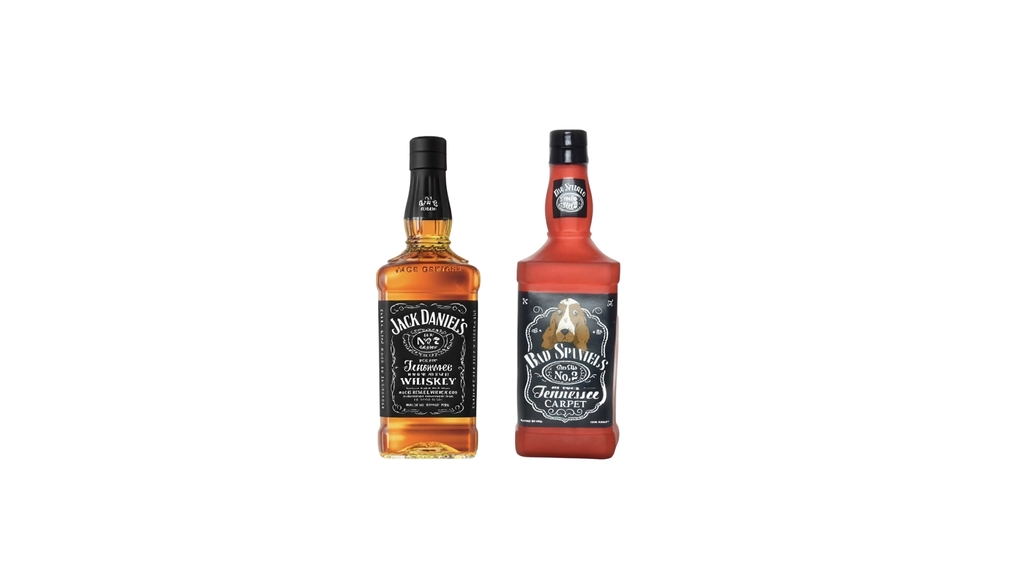
Jack Daniel’s was not amused by the obvious parallels, including “the Old No. 2 on Your Tennessee Carpet” vs. “Old No. 7 Quality Tennessee Whiskey.”
Litigation ensued through every level of the federal judiciary—from the Arizona trial court to the Ninth Circuit Court of Appeals and the U.S. Supreme Court, then back down to the trial court, eventually landing again in the Ninth Circuit, resulting in this week’s ruling.
Parody has remained central throughout: how much weight should humor carry in the legal analysis?
Quite a bit. In the most recent ruling, the Court of Appeals leaned on the “obvious parody” in reversing the lower court’s ruling that Bad Spaniel’s potty humor tarnished Jack Daniel’s reputation.
Is humor a complete defense? No. As the Supreme Court explained, Bad Spaniel, being a trademark, doesn’t deserve the same level of protection as expressive works, such as film titles. Under what’s become known as the Roger’s test, expressive works can poke fun at brands so long as they have artistic relevance and don’t explicitly mislead consumers. Being a source indicator, Bad Spaniel was subject to the ordinary “likelihood of confusion” and “likelihood of dilution” standards.
Even so, and likely because Bad Spaniel’s potty puns were pleasing rather than punishing, the upshot is twin findings that consumers are unlikely to think that Jack Daniel’s makes or approves Bad Spaniel, and unlikely to think less of Jack Daniel’s because of Bad Spaniel’s allusions to canines leaving unwanted deposits on Tennessee carpets.
Two parts of the Ninth Circuit’s ruling are worth noting. First, the Court rejected the idea that the overall fame of Jack Daniel’s name and bottle means that individual elements such as “Old No. 7” also are famous and qualify for protection against dilution. Second, the Court said that Jack Daniel’s could not rely on general consumer behavior theories (e.g., that references to defecation produce disgust), to establish tarnishment of its brand due to Bad Spaniel’s cheeky use of “Old No. 2.”
Will this decision be the last round in this spirited Odyssey? Or will that Supreme Court get another bite at these issues? Stay tuned.
The case is VIP Products, LLC v. Jack Daniel’s Properties, 25-2027 (Ninth Circuit, August 4, 2026).


